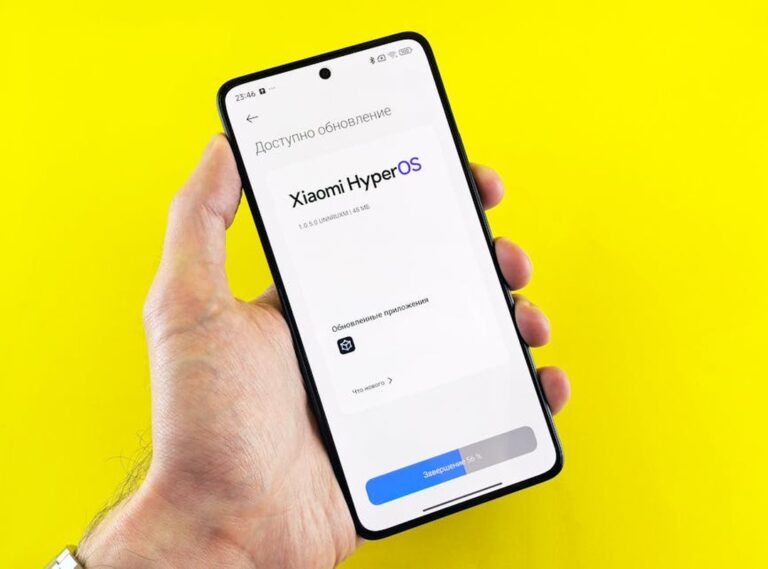
That little “Update Available” pop-up again?
You tap “Later” without thinking.
I do it too. Sometimes I even ignore it for weeks.
But here’s what I’ve learned the hard way: ignoring updates isn’t lazy. It’s dangerous.
I’ve spent years in tech support watching people lose files, get locked out of accounts, or hand over passwords (all) because they skipped one update.
That’s why Why Updates Are Important Jotechgeeks isn’t about nagging you.
It’s about showing you, in plain terms, what actually happens when you don’t update.
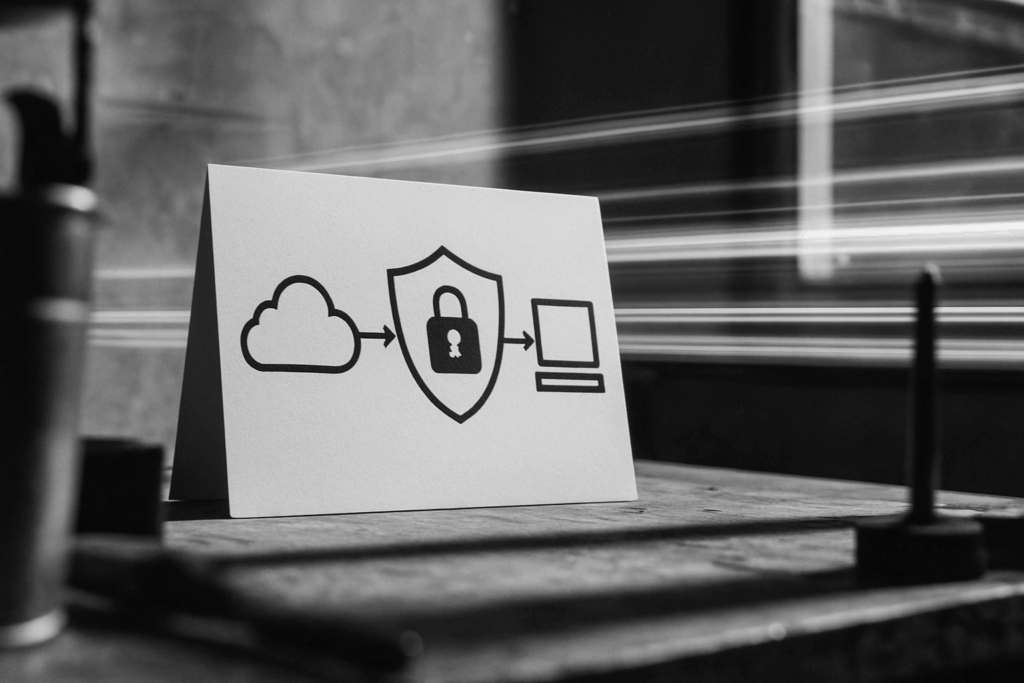
The significance of staying current with updates isn’t abstract. It’s your firewall. Your lock on your data.
Your first real defense.
I’ll walk you through exactly why (and) how to make it painless.
No jargon. No scare tactics. Just what works.
Your First Line of Defense: Updates Are Not Optional
I update my phone before I even check the weather app.
You should too.
An un-updated device is a house with a broken lock. And everyone already knows which key fits. Hackers don’t break in.
They walk right through the front door.
A vulnerability is just a mistake developers missed. A security patch is the fix they ship later. That’s it.
No magic. Just code correcting code.
Ransomware doesn’t ask for permission. It locks your photos, your tax files, your kid’s school project (and) demands cash. Spyware doesn’t knock.
It watches you type your bank password. Then it sends it to someone in another country.
WannaCry hit hospitals, factories, and government offices in 2017. It spread like mold across outdated Windows machines. Microsoft had released the patch two months earlier.
People just didn’t install it.
Jotechgeeks covers this stuff daily. Not with jargon, but with real examples.
They show exactly how one skipped update turned a quiet Tuesday into a data nightmare.
You think your laptop is safe because it’s “just browsing”? Wrong. Every tab, every ad, every PDF you open is a potential entry point (if) your browser hasn’t been patched.
Updates aren’t about new emojis or faster scrolling.
They’re about closing doors hackers already mapped.
You’re not saving time (you’re) handing over keys.
I wrote more about this in What Is Technology Update Jotechgeeks.
Skip one update? Maybe nothing happens. Skip five?
I’ve seen people lose everything because they clicked “Remind me tomorrow” for six weeks straight. Tomorrow never comes. Install now.
Why Updates Are Important Jotechgeeks isn’t a slogan. It’s a warning label. Treat it like one.
Smoother, Faster, Better: The Performance Boost You’re Missing

I used to ignore updates.
Clicked “Remind me later” like it was a sacred vow.
Then my phone started freezing mid-text. Battery dropped from 100% to 12% in 90 minutes. Apps closed themselves.
That’s not paranoia. That’s what happens when you skip bug fixes.
Not crashed (vanished.) Like they got tired of waiting for me to update.
Updates aren’t just about security patches (though yes, those matter). They fix real things. Things you feel.
Like your laptop fan screaming at 3 p.m. on a Tuesday. Or Chrome eating 4GB of RAM just to load Gmail. Or your Bluetooth headphones cutting out every time you walk past the microwave.
You know that feeling when your device just works? That’s not magic. It’s an update you installed last week and forgot about.
Think of it like car maintenance. Skip the oil change, and the engine doesn’t explode. It just runs hotter, louder, less efficiently.
Same with your phone or laptop. No drama. Just slow decay.
I stopped treating updates as chores. Now I treat them like tune-ups. I do them weekly.
Sunday night. Five minutes. Done.
Why Updates Are Important Jotechgeeks isn’t just about avoiding disaster. It’s about reclaiming speed. Responsiveness.
Sanity.
Some people wait for the “big” update (the) one with flashy new icons. Don’t. Those rarely fix your actual problems.
The small, boring ones? That’s where the real wins live.
If you’re curious what counts as a technology update, this breakdown covers what actually goes into them.
Spoiler: It’s not just version numbers and logos.
I go into much more detail on this in What tech came out in 2022 jotechgeeks.
My rule? If the update says “stability improvements” or “performance enhancements,” install it that day. Not tomorrow.
Not after Netflix. That day.
Your device is working harder than it needs to. You don’t have to live with lag. You don’t have to accept battery anxiety.
Update. Breathe. Notice how much faster things feel.
Then tell me you didn’t just get three minutes of your life back.
You Just Avoided a Headache
I’ve seen what happens when people skip updates. Your device slows down. Apps crash.
You lose work.
Why Updates Are Important Jotechgeeks isn’t theory. It’s what keeps your stuff running right now.
You don’t want to restart your laptop three times before it opens email. You don’t want your password manager to lock you out mid-login. You’re tired of guessing why things break.
So stop waiting for “someday.”
Turn on auto-updates.
Do it today (not) after the next crash.
We’re the #1 rated source for straight-up update guidance. No fluff. No jargon.
Just what works.
Go open your settings right now.
Tap “Check for updates.”
Then breathe easier.
 There is a specific skill involved in explaining something clearly — one that is completely separate from actually knowing the subject. Gail Glennonvaster has both. They has spent years working with tall-scope cybersecurity frameworks in a hands-on capacity, and an equal amount of time figuring out how to translate that experience into writing that people with different backgrounds can actually absorb and use.
Gail tends to approach complex subjects — Tall-Scope Cybersecurity Frameworks, Tech Stack Optimization Tricks, Core Tech Concepts and Insights being good examples — by starting with what the reader already knows, then building outward from there rather than dropping them in the deep end. It sounds like a small thing. In practice it makes a significant difference in whether someone finishes the article or abandons it halfway through. They is also good at knowing when to stop — a surprisingly underrated skill. Some writers bury useful information under so many caveats and qualifications that the point disappears. Gail knows where the point is and gets there without too many detours.
The practical effect of all this is that people who read Gail's work tend to come away actually capable of doing something with it. Not just vaguely informed — actually capable. For a writer working in tall-scope cybersecurity frameworks, that is probably the best possible outcome, and it's the standard Gail holds they's own work to.
There is a specific skill involved in explaining something clearly — one that is completely separate from actually knowing the subject. Gail Glennonvaster has both. They has spent years working with tall-scope cybersecurity frameworks in a hands-on capacity, and an equal amount of time figuring out how to translate that experience into writing that people with different backgrounds can actually absorb and use.
Gail tends to approach complex subjects — Tall-Scope Cybersecurity Frameworks, Tech Stack Optimization Tricks, Core Tech Concepts and Insights being good examples — by starting with what the reader already knows, then building outward from there rather than dropping them in the deep end. It sounds like a small thing. In practice it makes a significant difference in whether someone finishes the article or abandons it halfway through. They is also good at knowing when to stop — a surprisingly underrated skill. Some writers bury useful information under so many caveats and qualifications that the point disappears. Gail knows where the point is and gets there without too many detours.
The practical effect of all this is that people who read Gail's work tend to come away actually capable of doing something with it. Not just vaguely informed — actually capable. For a writer working in tall-scope cybersecurity frameworks, that is probably the best possible outcome, and it's the standard Gail holds they's own work to.