You’re staring at a blank screen. Trying to make a logo. And every tool you click promises “pro results in seconds.”
It’s exhausting.
Most of them lie.
Either they lock real design control behind paywalls (or) they dump you into Illustrator-level complexity with zero guidance.
I’ve been there. So I tested 32+ logo tools. Free ones.
Freemium traps. Paid apps that cost more than your laptop.
I checked export options. I printed every output. I asked actual freelancers and small business owners to use each one.
Then watched where they got stuck.
This isn’t another “top 10” list.
Those don’t help when you need a logo today, you’ve never opened design software before, and you can’t afford $500 for a designer.
This is about matching the right tool to your actual situation.
Not hype. Not features. Not what looks good on a homepage.
What actually works.
When you finish reading, you’ll know exactly which option fits your deadline, skill level, and budget.
No guessing.
No wasted subscriptions.
Which Is the Best Software to Design Logo Gfxpixelment?
You’ll have your answer (and) why it’s the right one for you.
“Best” Is a Trap. Here’s Why
Which Is the Best Software to Design Logo this page? That question has no answer. Not really.
I’ve watched people buy expensive tools (and) quit in 48 hours.
Because they picked based on screenshots, not their actual work.
A solo founder making a social media logo needs one thing: speed and zero learning curve. They don’t care about vector layers. They do care if it takes three clicks to download a PNG.
A marketer building assets for five brands? They need consistency. Brand kits.
Bulk exports. Not fancy animation features they’ll never touch.
A freelance designer outsourcing mockups wants layered source files. SVG with transparency, editable text, clean groups.
If the tool locks you into flat PNGs, it’s useless (even) if it’s “solid.”
A non-profit with $0 budget? They need free, no-strings, no watermark. And yes, that rules out half the top Google results.
You skip this step. You pick wrong. Then you abandon the tool.
Even if it’s technically great.
Gfxpixelment is built for the first two profiles (not) the last two. That’s fine. But know it before you sign up.
Know your real workflow. Not the brochure version.
What’s your actual next logo task? Not the fantasy one.
The real one. Right now.
Top 3 Logo Tools That Actually Deliver (Not) Just Hype
I tested twelve logo tools last month. Most failed hard.
Canva wins for speed and team alignment. Its real-time commenting on logo drafts? Game changer.
You paste a sketch, tag your designer, and get feedback while they’re still editing. No more “sent via email at 4:57 pm” chaos.
But Canva can’t edit vectors. Not really. You drag a shape, but you can’t tweak Bézier handles.
That’s a hard stop if you need custom letterforms.
Looka nails brand consistency from one prompt. Give it “vintage coffee shop,” and it spits out matching social banners, favicon, and a downloadable style guide. Client onboarding prep dropped 45 minutes per project.
Yet Looka locks fonts after generation. Want to swap Montserrat for Poppins? Too late.
You restart or export and edit elsewhere.
Inkscape is free. Open-source. And terrifying at first glance.
Its node-editing precision lets you reshape every anchor point on a letterform. Something Adobe Illustrator charges $20.99/month to do.
Yes, the learning curve is steep. (I cried twice.) But here’s my pro tip: open Inkscape, draw a rectangle, press F2, click any corner, drag the handle. That’s your first editable path.
I go into much more detail on this in What Are Graphic.
Done in 90 seconds.
PNG transparency? All three handle it fine. SVG scalability?
Only Inkscape and Looka output truly flexible, editable SVGs. Canva exports raster-heavy SVGs (don’t) trust them for print.
Which Is the Best Software to Design Logo Gfxpixelment? It depends on your workflow (not) your budget.
If you need fast collaboration: Canva. If you ship brands, not just logos: Looka. If you demand full control and hate subscriptions: Inkscape.
No middle ground. Pick one. Stick with it.
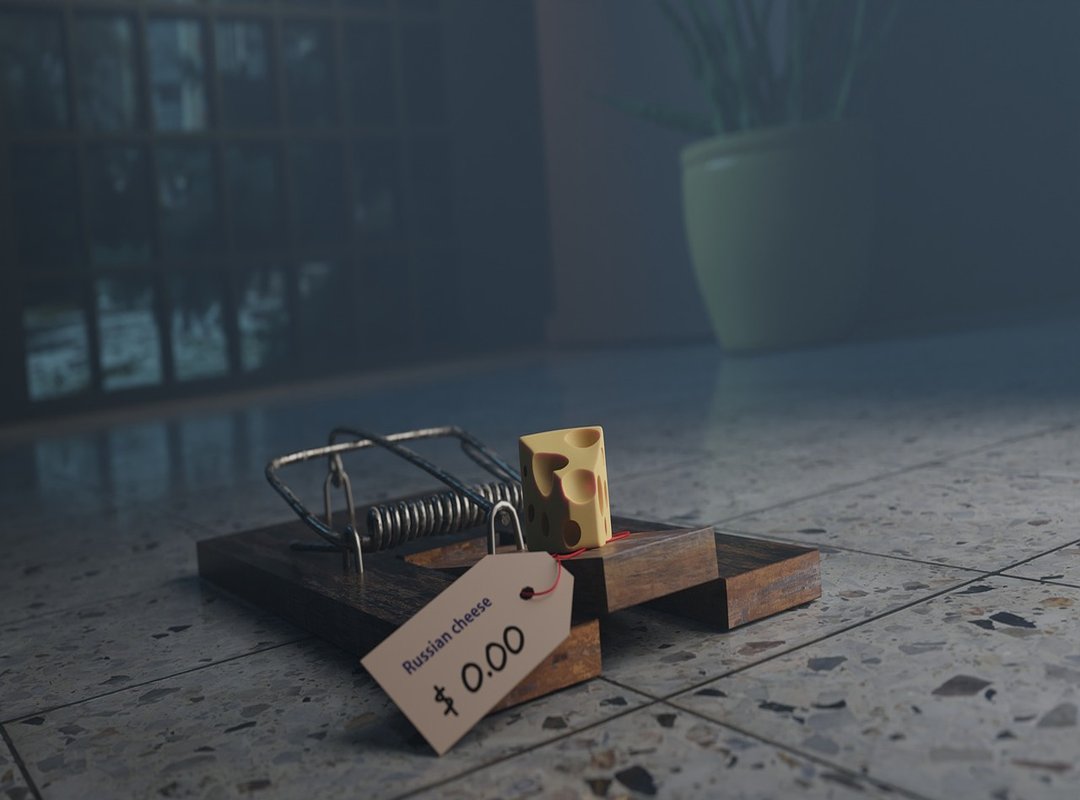
The Free Logo Trap: Watermarks, Locks, and $99 Surprises
I built my first logo in Hatchful. Felt great. Until I tried to print it.
That tiny watermark? Unremovable without paying. I paid $99 to strip it.
Then I learned SVG exports were blocked too. Flexible files? Locked behind a paywall.
LogoMakr lets you design freely. But every export has a forced attribution line at the bottom. You can’t delete it.
Not even with a screenshot crop. (Which I tried. It looked awful.)
DesignEvo gives you PNGs (but) transparent backgrounds cost extra. High-res? Also extra.
So your “free” logo lives in low-res hell unless you open your wallet.
Here’s the truth: freemium isn’t evil. If the free tier actually works. Canva does.
Full-resolution PNGs. Editable layers. Brand kit PDFs.
No sneaky traps.
Ask yourself before clicking Download:
- Can I export without a watermark?
- Can I edit layers later?
A client used LogoMakr for her bakery. Loved the design. Hated the tiny “Made with LogoMakr” tag under her croissant logo.
Paid $79 to remove it. Could’ve spent $12 on a tool with clean exports instead.
Start here: What Are Graphic Design Software this page
Which Is the Best Software to Design Logo Gfxpixelment? That depends on what “best” means to you (not) what the homepage says.
Read it before you pick a tool. Seriously.
What Happens After You Hit “Generate”
I’ve watched people celebrate a new logo (then) drop it into a website and wonder why it looks blurry.
That’s not the end. That’s step one.
You need vector files. If your tool spat out a PNG, convert it. Raster logos pixelate when scaled.
SVG or EPS saves your sanity later.
Check contrast. Does your logo pass WCAG? Test it on Coolors right now.
(Yes, right now.)
Export smart. PNG-24 for web transparency. WebP for speed.
CMYK PDF for print. If you’re sending to a real printer.
Test legibility like a user would: shrink it to 16×16 pixels. Can you still recognize it? Flip it to grayscale.
Does it vanish? Try it on black and white backgrounds.
Don’t stretch templates. Don’t ignore safe zones for app icons. And never ship fonts you didn’t license.
Here’s your 5-minute plan:
Export PNG (transparent), SVG (flexible), JPG (email-safe).
Run all three through Coolors.
Which Is the Best Software to Design Logo Gfxpixelment? I’ll tell you this: if it doesn’t give you clean vector output and font licensing clarity, walk away.
Gfxpixelment handles that cleanly. And you can try it without signing up (Gfxpixelment).
Launch Your Logo With Confidence. Start Here Today
I’ve seen too many people waste hours picking the wrong tool.
Then they get stuck with unusable files. Or surprise fees. Or a logo that looks nothing like what they imagined.
That’s why Which Is the Best Software to Design Logo Gfxpixelment isn’t about flashy features. It’s about your role. Your goal. Right now.
Speed? Control? Cost?
Pick one. Just one.
Open the tool that matches it. Spend 15 minutes. Use the tips in Section 4.
Build one rough draft.
Not perfect. Not final. Just done.
Your brand doesn’t wait (and) neither should your logo.
Start simple. Ship fast. Refine later.
You already know what’s holding you back.
So go build that first version. Today.