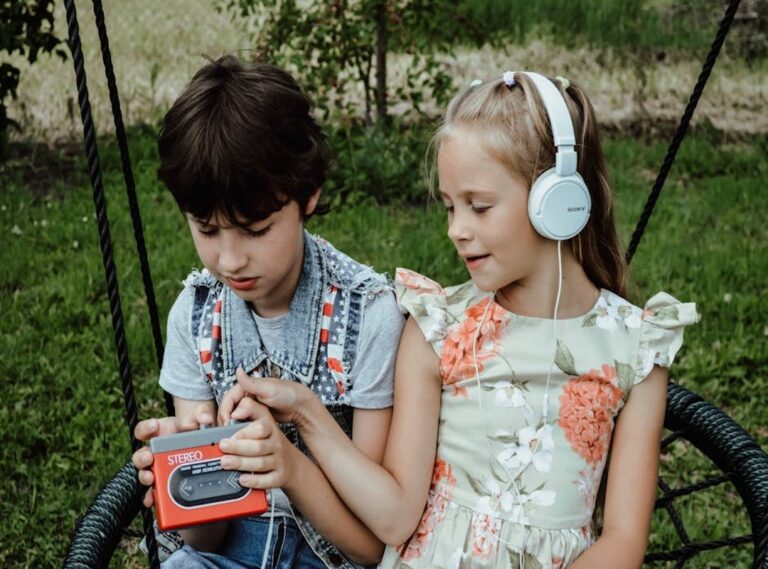
Sometimes a half-remembered song from your childhood can hit you out of nowhere. It’s like a wave of nostalgia, right? You want to find and download those precious audio files.
But let’s be real, you’re probably worried about safety and legality. This guide will show you how to childhood song mp3 download from safe, reputable sources. No need to stress over malware or confusing copyright laws.
I’ve been there, sifting through digital archives for high-quality audio. Trust me, it’s possible to do it right.
Understanding the Rules: Is It Legal to Download These Songs?
I remember when I first started downloading music. It was a confusing time, and I didn’t want to accidentally break any laws.
The Public Domain is a term you need to know. It means that certain works, like many classic nursery rhymes and folk songs, are free for anyone to use. No one owns them anymore.
But here’s the catch. If you’re looking at a childhood song mp3 download, and it’s a modern recording by an artist, it’s probably copyrighted. Even if the song itself is in the public domain.
Creative Commons licenses are another way to find legally downloadable music. These licenses let artists share their work with specific permissions. For personal use, this can be a great option.
Here’s a simple checklist:
– If the song was written before 1928, it’s likely safe.
– If it’s a Disney song or a modern recording, you need to find an official source.
The goal is to enjoy the music without infringing on artists’ rights. There are plenty of legal options out there, so you can still have your favorite tunes without any worries.
The Best (and Safest) Places to Find Childhood Song Audio Files
When it comes to childhood song mp3 download, you want to make sure you’re using reputable and safe sources. Here are a few I trust.
The Internet Archive, or Archive.org, is a treasure trove. It has an extensive collection of public domain recordings. Use its search filters to find exactly what you need.
Perfect for vintage recordings.
Musopen is another great option. While it’s focused on classical music, it also has many classic children’s lullabies and songs. High-quality formats make it ideal for instrumental versions.
YouTube Audio Library is free, safe, and clearly labels usage rights. Accessing it is straightforward. Just go to the YouTube Studio, then click on “Audio Library.” It’s best for modern, high-quality tracks.
Don’t forget about your local library’s digital services. Platforms like Freegal and Hoopla can be accessed with a library card. They offer vast, legal music catalogs.
Great for a mix of old and new favorites.
Here’s a quick breakdown:
| Source | Best For |
|---|---|
| The Internet Archive (Archive.org) | Vintage recordings |
| Musopen | Instrumental versions |
| YouTube Audio Library | Modern, high-quality tracks |
| Local Library Digital Services (e.g., Freegal, Hoopla) | Mix of old and new favorites |
These sources should cover all your needs, and stay safe and enjoy the music!
Warning Signs: How to Spot a Dangerous Download Website
You know that gut feeling when something feels off? Trust it. Here’s how to spot those red flags and keep your device safe.
First up, aggressive pop-ups and redirects. If a site is bombarding you with ads, it’s probably not legit. Reputable sites don’t need to do that.
Next, watch out for file types. For example, if you’re looking for a childhood song mp3 download, the file should be in MP3, WAV, or FLAC format. Files ending in .exe or .zip are often programs that can contain viruses.
Steer clear.
Poor website design and grammar are also big red flags. Professional, safe sites invest in quality design and clear language. If a site looks like it was made in 1995, it might be a trap.
Another warning sign is when a site asks for personal information for a “free” download. Why would they need your email or other data? It’s a way to get your info for nefarious purposes.
Don’t give it out.
If a site feels wrong, it probably is. Close the tab and stick to trusted sources. And if you’re into cybersecurity, check out some frameworks for protecting your data.
Stay safe out there!
A Quick Guide to Audio Quality: MP3, WAV, and Getting the Best Sound
Let’s talk about audio file formats, and you’ve probably heard of MP3. It’s the most common format, perfect for saving space on your phone.
WAV or FLAC, on the other hand, are ‘lossless’ formats. They offer higher quality sound but come with larger file sizes. These are great for projects or archiving.
When you’re looking at MP3s, check the bitrate. A 320kbps MP3 is a good indicator of high quality.
For most nostalgic listening, like that childhood song mp3 download, a high-quality MP3 is more than enough.
So, what’s next? If you’re curious about how to convert files or need more details, feel free to ask.
Bring Your Favorite Melodies Back to Life
The search for cherished childhood songs doesn’t have to be risky or complicated. By focusing on public domain content and using trusted websites like the Internet Archive, you can avoid many of the pitfalls associated with online searches. Always watch for the red flags of unsafe sites, such as intrusive ads or requests for personal information.
You are now equipped to safely find and download the audio files you’re looking for. childhood song mp3 download is easier and safer than ever. Now it’s your turn. Pick one of the safe sources we discussed and search for that one song you’ve been humming.
Enjoy the trip down memory lane!
 There is a specific skill involved in explaining something clearly — one that is completely separate from actually knowing the subject. Gail Glennonvaster has both. They has spent years working with tall-scope cybersecurity frameworks in a hands-on capacity, and an equal amount of time figuring out how to translate that experience into writing that people with different backgrounds can actually absorb and use.
Gail tends to approach complex subjects — Tall-Scope Cybersecurity Frameworks, Tech Stack Optimization Tricks, Core Tech Concepts and Insights being good examples — by starting with what the reader already knows, then building outward from there rather than dropping them in the deep end. It sounds like a small thing. In practice it makes a significant difference in whether someone finishes the article or abandons it halfway through. They is also good at knowing when to stop — a surprisingly underrated skill. Some writers bury useful information under so many caveats and qualifications that the point disappears. Gail knows where the point is and gets there without too many detours.
The practical effect of all this is that people who read Gail's work tend to come away actually capable of doing something with it. Not just vaguely informed — actually capable. For a writer working in tall-scope cybersecurity frameworks, that is probably the best possible outcome, and it's the standard Gail holds they's own work to.
There is a specific skill involved in explaining something clearly — one that is completely separate from actually knowing the subject. Gail Glennonvaster has both. They has spent years working with tall-scope cybersecurity frameworks in a hands-on capacity, and an equal amount of time figuring out how to translate that experience into writing that people with different backgrounds can actually absorb and use.
Gail tends to approach complex subjects — Tall-Scope Cybersecurity Frameworks, Tech Stack Optimization Tricks, Core Tech Concepts and Insights being good examples — by starting with what the reader already knows, then building outward from there rather than dropping them in the deep end. It sounds like a small thing. In practice it makes a significant difference in whether someone finishes the article or abandons it halfway through. They is also good at knowing when to stop — a surprisingly underrated skill. Some writers bury useful information under so many caveats and qualifications that the point disappears. Gail knows where the point is and gets there without too many detours.
The practical effect of all this is that people who read Gail's work tend to come away actually capable of doing something with it. Not just vaguely informed — actually capable. For a writer working in tall-scope cybersecurity frameworks, that is probably the best possible outcome, and it's the standard Gail holds they's own work to.