

You’ve got 150 mil pesos chilenos a pesos colombianos, and you’re wondering what that really means. It’s a significant amount, no doubt. I’m here to give you the answer, but more importantly, to show you how to get an accurate, real-time conversion anytime.
Exchange rates change daily, and it can be confusing. This guide will help you understand why and how to track them.
I’ll walk you through a clear, step-by-step process for converting CLP to COP, whether you’re doing it for business, travel, or investment.
Understanding the factors behind the numbers is key to making smarter financial decisions. Let’s dive in.
Understanding the Current Exchange Rate: CLP vs. COP
Let me start with a quick story. A few years back, I was in Chile and needed to convert some Chilean Pesos (CLP) to Colombian Pesos (COP) for an upcoming trip. The currency symbols are CLP for the Chilean Peso and COP for the Colombian Peso.
An exchange rate is just the value of one currency when converted to another. For example, 150 mil pesos chilenos a pesos colombianos might be around 45 million COP, but this is just an estimate as of today’s date. Remember, this value is for illustrative purposes only.
The thing is, exchange rates can change constantly. This is because they’re based on a ‘floating exchange rate’ system, which means the value shifts due to market forces like supply and demand. So, what you see one day might not be the same the next.
Now, there’s a difference between the ‘market rate’—what you see on Google—and the ‘tourist rate’—what you get at a currency exchange booth. The tourist rate usually includes a markup, so it’s always a bit less favorable.
To get the most accurate and up-to-date conversion, use a real-time currency converter tool. It’s a handy way to stay on top of the latest rates and make sure you’re getting the best deal.
A Step-by-Step Guide to Calculating Your Conversion
Step 1: Find a Reliable Source for the Live Exchange Rate
First, you need a trustworthy source for the live exchange rate. I recommend using Google Finance, XE.com, or major bank websites. These sites update frequently and provide accurate rates.
Step 2: Identify the Correct Currency Pair
Next, make sure you have the right currency pair. For this conversion, it’s CLP to COP. Double-check that you’re not accidentally converting from COP to CLP.
That would be a big mistake.
Step 3: Perform the Calculation
Now, use the simple formula:
Amount in CLP * (Current COP per 1 CLP) = Amount in COP.
For example, if 1 CLP = 4.65 COP, then:
150,000,000 CLP x 4.65 = 697,500,000 COP.
Double-Check Your Math
Especially with large numbers, it’s crucial to double-check your math. One small mistake can lead to a significant error. Take a moment to verify your calculations.
It’s better to be safe than sorry.
This process will help you convert 150 mil pesos chilenos a pesos colombianos accurately.
What Makes the Exchange Rate Change Daily?
Currency values aren’t random. They’re influenced by a bunch of economic factors. Inflation is a big one. 150 mil pesos chilenos a pesos colombianos
When inflation goes up, the value of a currency usually drops.
GDP growth and employment data also play a role. If Chile’s economy is booming and more people are employed, the Chilean peso might strengthen. The same goes for Colombia.
Interest rates set by central banks matter too. Higher interest rates can attract foreign investment, which strengthens a currency. For example, if Chile raises its interest rates, it could see more foreign investors, boosting the peso.
Commodity prices are another key factor, and copper is huge for Chile’s economy. When copper prices rise, the Chilean peso tends to strengthen.
On the other hand, oil is vital for Colombia. Higher oil prices can make the Colombian peso stronger.
Political stability and investor sentiment drive short-term changes. If there’s political unrest in either country, investors might pull out, causing the currency to weaken.
Think of it like this: A country’s currency is like the stock price of its economy. When the economy is strong, the “stock” (currency) goes up. When it’s weak, the “stock” goes down.
Understanding these factors can help you make sense of why 150 mil pesos chilenos a pesos colombianos changes daily. It’s all about the underlying economic health and global market dynamics.
Practical Tips for Transferring Large Sums of Money
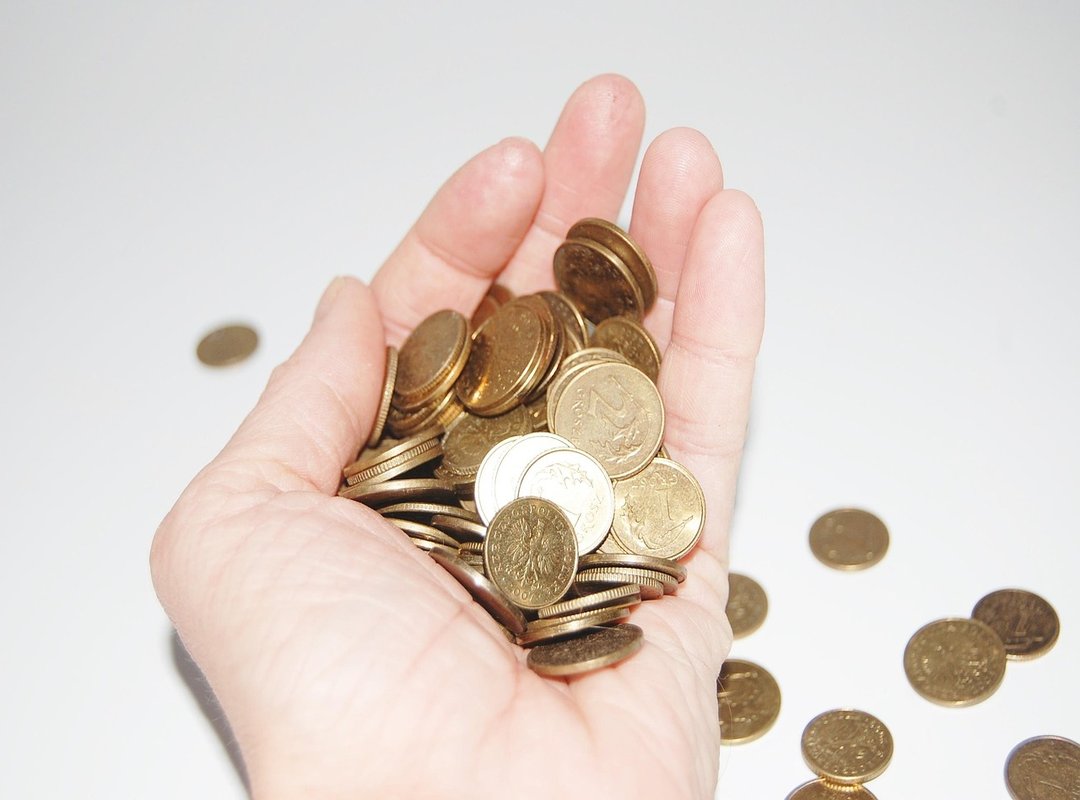
Transferring large sums of money can feel like a scene from a heist movie, but it’s more about practicality than drama.
First, let’s talk transfer methods. Traditional bank wires are reliable, but they can be slow and expensive. Fintech services like Wise or Remitly offer faster, often cheaper alternatives.
When comparing, look beyond the exchange rate. Transfer fees can be flat or a percentage, and some companies might hide fees by offering a poor exchange rate. Always read the fine print.
Timing is everything. If your transfer isn’t urgent, wait for a favorable dip in the exchange rate. This can save you a lot of money in the long run.
(Think of it as waiting for the right moment to buy that concert ticket.)
Legal and tax reporting requirements can vary. When transferring 150 mil pesos chilenos a pesos colombianos, for example, make sure you understand the rules in both countries. It’s better to be safe than sorry.
Stay informed and make smart choices, and your wallet will thank you.
Getting the Most Accurate Conversion Every Time
Converting 150 mil pesos chilenos a pesos colombianos is a simple calculation, but the rate used is critically important. You now know not only how to find the live rate but also understand the economic forces that move it. Always use a real-time, reputable currency converter and be mindful of fees when transferring money.
Use a recommended live-rate tool to check the exact value today.
 There is a specific skill involved in explaining something clearly — one that is completely separate from actually knowing the subject. Gail Glennonvaster has both. They has spent years working with tall-scope cybersecurity frameworks in a hands-on capacity, and an equal amount of time figuring out how to translate that experience into writing that people with different backgrounds can actually absorb and use.
Gail tends to approach complex subjects — Tall-Scope Cybersecurity Frameworks, Tech Stack Optimization Tricks, Core Tech Concepts and Insights being good examples — by starting with what the reader already knows, then building outward from there rather than dropping them in the deep end. It sounds like a small thing. In practice it makes a significant difference in whether someone finishes the article or abandons it halfway through. They is also good at knowing when to stop — a surprisingly underrated skill. Some writers bury useful information under so many caveats and qualifications that the point disappears. Gail knows where the point is and gets there without too many detours.
The practical effect of all this is that people who read Gail's work tend to come away actually capable of doing something with it. Not just vaguely informed — actually capable. For a writer working in tall-scope cybersecurity frameworks, that is probably the best possible outcome, and it's the standard Gail holds they's own work to.
There is a specific skill involved in explaining something clearly — one that is completely separate from actually knowing the subject. Gail Glennonvaster has both. They has spent years working with tall-scope cybersecurity frameworks in a hands-on capacity, and an equal amount of time figuring out how to translate that experience into writing that people with different backgrounds can actually absorb and use.
Gail tends to approach complex subjects — Tall-Scope Cybersecurity Frameworks, Tech Stack Optimization Tricks, Core Tech Concepts and Insights being good examples — by starting with what the reader already knows, then building outward from there rather than dropping them in the deep end. It sounds like a small thing. In practice it makes a significant difference in whether someone finishes the article or abandons it halfway through. They is also good at knowing when to stop — a surprisingly underrated skill. Some writers bury useful information under so many caveats and qualifications that the point disappears. Gail knows where the point is and gets there without too many detours.
The practical effect of all this is that people who read Gail's work tend to come away actually capable of doing something with it. Not just vaguely informed — actually capable. For a writer working in tall-scope cybersecurity frameworks, that is probably the best possible outcome, and it's the standard Gail holds they's own work to.