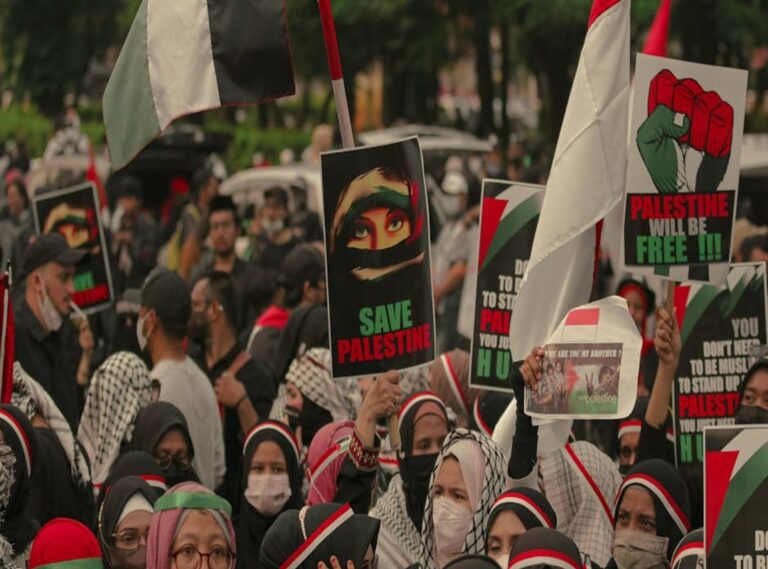
I’ve always been fascinated by the power of art to tell stories. Especially when those stories are often overlooked or misunderstood. kartun muslimah palestin is one such story. It’s a world that’s vibrant, unique, and deeply rooted in culture.
But let’s be real, how often do you see Palestinian Muslimah culture represented in mainstream media? Not much, right? That’s why I’m here.
To share something authentic and genuine. Something that gives you a real insight into their lives and experiences. This article is all about introducing you to that world.
Trust me, it’s worth your time.
Understanding the Context: The Role of Cartoons in Palestinian Culture
Cartoons have become a powerful medium for storytelling and cultural expression in Palestine. They capture the essence of daily life, struggles, and aspirations in a way that resonates with people of all ages.
Cultural Significance:
Palestinian cartoons often reflect the rich tapestry of their culture. They use humor, satire, and poignant imagery to convey deep messages. This makes them a vital part of the cultural landscape, helping to preserve and share Palestinian heritage.
Historical Background:
The history of Palestinian art is long and varied. It has evolved over time, adapting to different social and political contexts. Muslimah representation, in particular, has seen significant changes, moving from traditional to more contemporary and inclusive depictions.
Social Impact:
Cartoons play a crucial role in raising awareness about social and political issues. For Palestinian Muslimahs, these issues range from gender equality to the challenges of living under occupation.
kartun muslimah palestin often highlight these specific struggles, giving a voice to those who might otherwise go unheard. They bring attention to the unique experiences and resilience of Palestinian women, fostering a sense of community and solidarity.
In comparing traditional art forms to modern cartoons, you can see a clear shift. Traditional art tends to be more static and formal, while cartoons are dynamic and accessible. This makes them a more effective tool for engaging younger generations and sparking conversations about important issues.
Meet the Artists: Notable Muslimah Cartoonists from Palestine
Let’s dive into the world of kartun muslimah palestin. These artists bring unique perspectives and stories to life through their work.
Artist Profiles
Noura Al-Arda is a name you should know. She grew up in Gaza and uses her cartoons to highlight the daily struggles and resilience of Palestinian women. Her style is bold and vivid, with a touch of traditional Palestinian motifs.
Layla Qasim, on the other hand, focuses on the lighter side of life. Her whimsical and colorful illustrations often depict everyday scenes with a humorous twist. She aims to show the human side of Palestinian life, beyond the headlines.
Artistic Journeys
Noura started drawing as a child, using it as an escape from the harsh realities around her. She faced many challenges, including limited resources and societal expectations. But she persevered, driven by her passion and the need to tell her story.
Layla’s journey was different. She studied art formally and initially struggled to find her voice. Over time, she embraced her unique style and began to gain recognition for her work.
Influences
Cultural heritage plays a big role in Noura’s work. She draws inspiration from traditional Palestinian embroidery and folklore, blending them with modern themes. Her goal is to preserve and celebrate Palestinian culture.
For Layla, personal experiences are key. She finds inspiration in the small, everyday moments that make life worth living. Her work often reflects a sense of hope and joy, even in difficult times.
Recommendations
If you’re interested in kartun muslimah palestin, start by following these artists on social media. Engage with their work and share it with others. Support them by attending their exhibitions or purchasing their artwork.
You can also explore more about the history and context of Palestinian art. Understanding the background will give you a deeper appreciation of their work.
Themes and Messages: What Do These Cartoons Represent?

Cultural Identity: These cartoons reflect and celebrate the rich and diverse cultural identity of Palestinian Muslimahs. They showcase the unique traditions, values, and daily life experiences that define this community.
Social Issues: The cartoons also highlight critical social and political issues. Gender equality, education, and community resilience are central themes. They bring attention to the challenges and triumphs of these women in a way that resonates with a broader audience.
Religious and Spiritual Elements: The integration of religious and spiritual themes is another significant aspect. These elements are woven into the narratives, adding depth and meaning. They show how faith and spirituality play a crucial role in the lives of these women, providing strength and guidance.
Kartun muslimah palestin often depict these themes with a blend of humor and seriousness. This approach makes the messages more relatable and impactful.
Speculation: As technology continues to evolve, I predict we’ll see more interactive and digital forms of these cartoons. Latency optimization techniques for global applications will be key in making sure these digital experiences are seamless and accessible worldwide.
Impact and Reach: How These Cartoons Are Making a Difference
These cartoons are reaching a global audience, fostering cross-cultural understanding and empathy. It’s not just about entertainment; it’s about building bridges.
Take kartun muslimah palestin for example. They’ve been translated into multiple languages, making them accessible to a diverse range of viewers. This broad reach helps people from different backgrounds connect with Palestinian culture and history.
In schools and community programs, these cartoons are used as educational tools. They teach children and adults alike about the rich heritage and traditions of Palestine. Studies show that visual media can be more effective in engaging young learners, and these cartoons are no exception.
Community engagement is another key aspect. These cartoons empower the Palestinian Muslimah community, both locally and internationally. They provide a platform for voices that might otherwise go unheard.
Pro tip: Look for local screenings or online events where you can watch and discuss these cartoons with others. It’s a great way to deepen your understanding and connect with like-minded individuals.
Celebrating the Art and Impact of Muslimah Cartoons from Palestine
Kartun muslimah palestin play a vital role in expressing the unique experiences and perspectives of Palestinian women. These cartoons delve into themes of identity, resilience, and daily life, offering a window into the rich cultural tapestry of the region. They not only entertain but also educate, fostering a deeper understanding of the challenges and triumphs faced by Palestinian Muslimahs.
By highlighting these stories, the cartoons contribute to social change and promote a more inclusive narrative. Readers are encouraged to explore and support the work of these talented artists, and to continue learning about the diverse cultures within the Muslim world.
 There is a specific skill involved in explaining something clearly — one that is completely separate from actually knowing the subject. Gail Glennonvaster has both. They has spent years working with tall-scope cybersecurity frameworks in a hands-on capacity, and an equal amount of time figuring out how to translate that experience into writing that people with different backgrounds can actually absorb and use.
Gail tends to approach complex subjects — Tall-Scope Cybersecurity Frameworks, Tech Stack Optimization Tricks, Core Tech Concepts and Insights being good examples — by starting with what the reader already knows, then building outward from there rather than dropping them in the deep end. It sounds like a small thing. In practice it makes a significant difference in whether someone finishes the article or abandons it halfway through. They is also good at knowing when to stop — a surprisingly underrated skill. Some writers bury useful information under so many caveats and qualifications that the point disappears. Gail knows where the point is and gets there without too many detours.
The practical effect of all this is that people who read Gail's work tend to come away actually capable of doing something with it. Not just vaguely informed — actually capable. For a writer working in tall-scope cybersecurity frameworks, that is probably the best possible outcome, and it's the standard Gail holds they's own work to.
There is a specific skill involved in explaining something clearly — one that is completely separate from actually knowing the subject. Gail Glennonvaster has both. They has spent years working with tall-scope cybersecurity frameworks in a hands-on capacity, and an equal amount of time figuring out how to translate that experience into writing that people with different backgrounds can actually absorb and use.
Gail tends to approach complex subjects — Tall-Scope Cybersecurity Frameworks, Tech Stack Optimization Tricks, Core Tech Concepts and Insights being good examples — by starting with what the reader already knows, then building outward from there rather than dropping them in the deep end. It sounds like a small thing. In practice it makes a significant difference in whether someone finishes the article or abandons it halfway through. They is also good at knowing when to stop — a surprisingly underrated skill. Some writers bury useful information under so many caveats and qualifications that the point disappears. Gail knows where the point is and gets there without too many detours.
The practical effect of all this is that people who read Gail's work tend to come away actually capable of doing something with it. Not just vaguely informed — actually capable. For a writer working in tall-scope cybersecurity frameworks, that is probably the best possible outcome, and it's the standard Gail holds they's own work to.