

I’ve seen a lot of people struggle to figure out if their hand is broken. It’s not always easy, and that can lead to problems. You might think it’s just a sprain or a bruise, but ignoring a broken hand can make things worse.
This article is here to help. I’m sharing what I know based on expert advice and real experiences. We’ll go over the signs and symptoms, so you can spot a gambar toreh tangan broken and get the right treatment.
No fluff, just the facts.
Anatomy of the Hand: Key Structures and Functions
Overview of Hand Anatomy
The hand is a complex structure. It’s made up of bones, joints, muscles, and ligaments. There are 27 bones in the hand, including the wrist.
The joints allow for movement and flexibility, and muscles and ligaments provide strength and support.
Common Areas for Breaks
Some parts of the hand are more vulnerable to breaks. The metacarpals and phalanges (fingers) are common spots. These areas can easily get injured during sports or accidents.
Pro tip: Always wear protective gear if you’re doing activities that might put your hands at risk.
The gambar toreh tangan broken is a term used locally in Avon Park, Florida, to describe a specific type of hand fracture. It’s important to know these terms, especially if you’re dealing with local medical professionals.
Symptoms of a Broken Hand: What to Look For
Immediate Symptoms: Pain, swelling, bruising, and deformity. Yeah, it’s like your hand is throwing a pity party for itself.
Functional Impairment: Difficulty moving the hand or fingers, loss of grip strength, and numbness. Suddenly, opening a jar feels like climbing Mount Everest.
If you notice gambar toreh tangan broken, that’s a pretty good sign something’s not right. It’s like your hand is waving a red flag, but in a very painful way.
Don’t ignore these symptoms. Seriously, it’s better to get it checked out than to end up with a hand that looks like it’s been through a war.
Visual Identification: Images of a Broken Hand Injury
Image 1: X-ray of a clean break in the metacarpal bone.
Image 2: Swollen and deformed hand with visible bruising.
Image 3: Comparison of a normal hand and a hand with a displaced fracture.
When it comes to identifying a broken hand, visual cues are crucial. The X-ray shows a clean break, but what about the external signs? A swollen and deformed hand with visible bruising is a clear indicator.
Sometimes, comparing a normal hand to one with a displaced fracture can be eye-opening. You might see a gambar toreh tangan broken and think, “Is that really how bad it looks?” Yes, it can be that noticeable.
Understanding these images can help you recognize the severity of an injury. It’s not just about seeing the break; it’s about understanding the full impact. If you need more detailed information on how to identify and manage such injuries, check out Biszoxtall.
When to Seek Medical Attention: Urgency and Importance
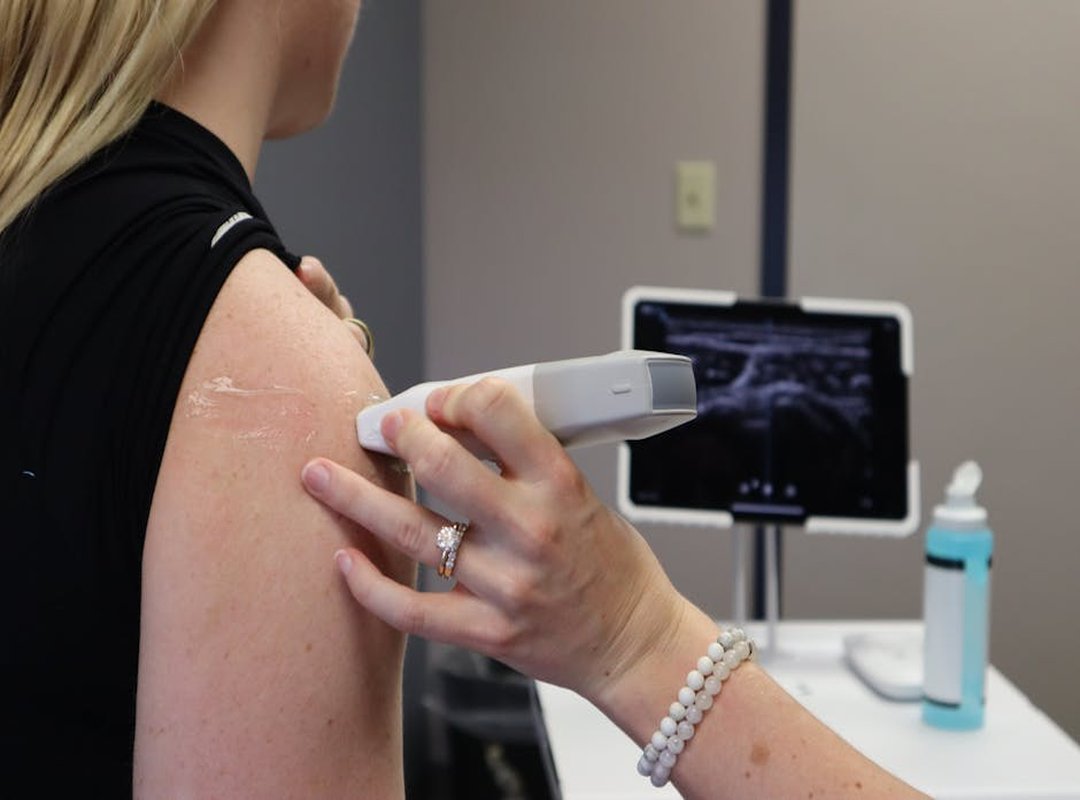
Immediate Care: When to go to the emergency room or see a doctor.
Sometimes, you just know. Like in Jaws when the shark is about to strike. You feel it.
If you’re experiencing severe pain, difficulty breathing, or any other life-threatening symptoms, get to the ER. Don’t wait.
Potential Complications: Risks of not seeking timely medical attention, such as nerve damage and chronic pain.
Ignoring those red flags can lead to serious issues. Think of it like a car with a gambar toreh tangan broken. If you don’t fix it, the whole thing could break down.
Same with your body. Delaying care can mean long-term problems, like nerve damage or chronic pain.
Better safe than sorry, and trust your gut. If something feels off, see a doctor.
First Aid and Initial Treatment: What to Do Before Medical Help Arrives
Immobilization: How to Use a Splint or Makeshift Support
When you’ve got a broken hand, the last thing you want is for it to move around. That’s where immobilization comes in. You can use a splint or even a makeshift support like a rolled-up magazine or a piece of wood.
The goal is to keep the hand as still as possible. Some people argue that moving the hand a bit won’t do much harm. But trust me, any extra movement can make the injury worse and more painful.
- Find a rigid object to use as a splint.
- Secure the splint with a bandage or cloth.
- Make sure it’s not too tight; you don’t want to cut off circulation.
Pain Management: Tips for Reducing Pain and Swelling
Pain and swelling are your body’s way of telling you something’s wrong. Managing them is crucial, and ice is your best friend here.
Wrap some ice in a cloth and apply it to the injured area for about 20 minutes at a time. Over-the-counter pain relievers like ibuprofen can also help.
- Apply ice to the injured area.
- Take over-the-counter pain relievers if needed.
- Keep the hand elevated to reduce swelling.
Some folks might say that natural remedies are just as good. Sure, they have their place, but when it comes to immediate relief, nothing beats the tried-and-true methods. (Natural remedies can be great, but they’re not always enough on their own.)
Remember, these steps are just to get you through until medical help arrives. Don’t skip the professional care. A gambar toreh tangan broken needs proper treatment to heal correctly.
Taking Action for a Broken Hand Injury
gambar toreh tangan broken is a serious condition that requires immediate attention. Recognizing the signs, such as swelling, pain, and difficulty moving the hand, is crucial. Prompt medical care can prevent complications and ensure proper healing.
Apply ice to reduce swelling, and keep the hand immobilized to avoid further injury. Always seek professional help to assess and treat the break. Stay informed about hand health and take proactive measures to protect your hands.
 There is a specific skill involved in explaining something clearly — one that is completely separate from actually knowing the subject. Gail Glennonvaster has both. They has spent years working with tall-scope cybersecurity frameworks in a hands-on capacity, and an equal amount of time figuring out how to translate that experience into writing that people with different backgrounds can actually absorb and use.
Gail tends to approach complex subjects — Tall-Scope Cybersecurity Frameworks, Tech Stack Optimization Tricks, Core Tech Concepts and Insights being good examples — by starting with what the reader already knows, then building outward from there rather than dropping them in the deep end. It sounds like a small thing. In practice it makes a significant difference in whether someone finishes the article or abandons it halfway through. They is also good at knowing when to stop — a surprisingly underrated skill. Some writers bury useful information under so many caveats and qualifications that the point disappears. Gail knows where the point is and gets there without too many detours.
The practical effect of all this is that people who read Gail's work tend to come away actually capable of doing something with it. Not just vaguely informed — actually capable. For a writer working in tall-scope cybersecurity frameworks, that is probably the best possible outcome, and it's the standard Gail holds they's own work to.
There is a specific skill involved in explaining something clearly — one that is completely separate from actually knowing the subject. Gail Glennonvaster has both. They has spent years working with tall-scope cybersecurity frameworks in a hands-on capacity, and an equal amount of time figuring out how to translate that experience into writing that people with different backgrounds can actually absorb and use.
Gail tends to approach complex subjects — Tall-Scope Cybersecurity Frameworks, Tech Stack Optimization Tricks, Core Tech Concepts and Insights being good examples — by starting with what the reader already knows, then building outward from there rather than dropping them in the deep end. It sounds like a small thing. In practice it makes a significant difference in whether someone finishes the article or abandons it halfway through. They is also good at knowing when to stop — a surprisingly underrated skill. Some writers bury useful information under so many caveats and qualifications that the point disappears. Gail knows where the point is and gets there without too many detours.
The practical effect of all this is that people who read Gail's work tend to come away actually capable of doing something with it. Not just vaguely informed — actually capable. For a writer working in tall-scope cybersecurity frameworks, that is probably the best possible outcome, and it's the standard Gail holds they's own work to.