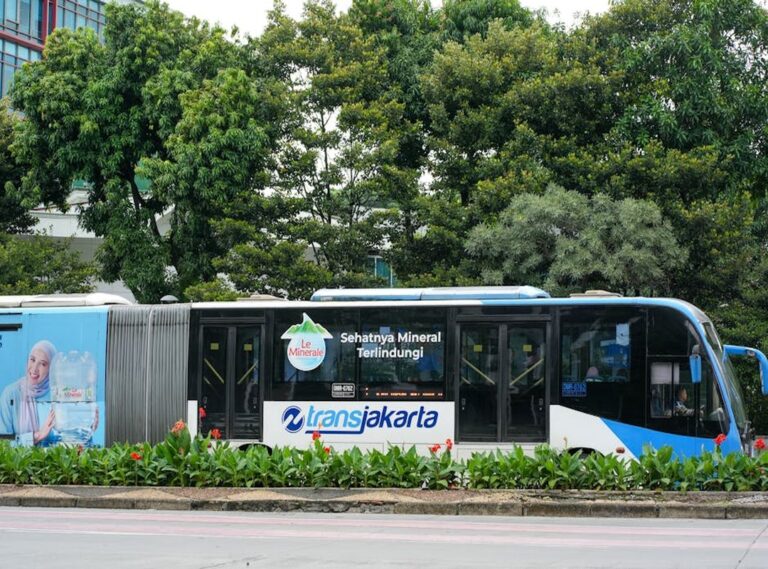
The Komban Heavy Bus Simulator in Indonesia needs a serious upgrade. Current simulators just don’t cut it. They lack the specific features and realism that Indonesian drivers need.
Why should you trust this guide? We’ve got expert insights and practical tips from industry professionals who know both simulation technology and local needs.
This article is all about making the komban heavy bus simulator indonesia skin more realistic and engaging. You’ll get detailed, actionable advice on how to modify and enhance your simulator. Let’s dive in.
Understanding the Komban Heavy Bus Simulator
I’ve been getting a lot of questions about the Komban Heavy Bus Simulator. It’s a popular choice, especially among Indonesian users. The simulator offers a realistic experience with detailed vehicle models and challenging road conditions.
Overview
The Komban Heavy Bus Simulator is all about giving you that authentic feel. You get to drive through various scenarios, from bustling city streets to winding mountain roads. The current features include different weather conditions and day-night cycles, adding to the realism.
Why is it so popular, and simple. It captures the essence of what it’s like to drive a heavy bus in Indonesia.
The attention to detail, from the sound of the engine to the way the bus handles, makes it a favorite for many.
Current Limitations
But let’s be real, and no simulator is perfect. The Komban Heavy Bus Simulator has its share of limitations.
- Vehicle Models: While the existing models are good, there’s room for more variety. More options would make the experience even better.
- Road Conditions: The road textures and surfaces could use some improvement. Realistic potholes and uneven surfaces can add to the challenge.
- Traffic Scenarios: The traffic AI is decent, but it can be predictable. More dynamic and realistic traffic patterns would enhance the overall experience.
These are the main areas where the simulator falls short. But hey, it’s still a great tool for anyone looking to get a feel for driving a heavy bus in Indonesia.
So, what’s next? If you’re thinking about diving into the komban heavy bus simulator indonesia skin, it’s worth considering these points. Knowing the strengths and weaknesses will help you set your expectations and get the most out of the experience.
Design Modifications for Realistic Vehicle Models
Vehicle customization is a must if you want your bus models to look like the ones you see in Indonesia. Start with the basics.
Choose a base model that’s close to what you need. Then, tweak it.
Interior and Exterior Details
For the exterior, focus on the little things. Add local branding, specific paint jobs, and even small decals. These details make a big difference.
Interior matters too. Think about the seating, flooring, and even the little stickers you see inside.
Pro tip: Use komban heavy bus simulator indonesia skin for a more authentic look. It’s a great starting point.
Remember, authenticity is key, and don’t just copy; make it feel real.
Keep it simple, but don’t skimp on the details. That’s how you get a model that looks and feels right.
Enhancing Road and Traffic Conditions
Road Types: Modifying the road textures and layouts to match the diverse road conditions found in Indonesia, from city streets to rural roads. This means making sure the komban heavy bus simulator indonesia skin feels authentic no matter where you’re driving.
Traffic Scenarios: Adding realistic traffic patterns, including the presence of motorcycles, pedestrians, and other vehicles typical in Indonesian cities. It’s all about creating a more immersive experience.
| Road Type | Texture and Layout |
|---|---|
| City Streets | Smooth asphalt with clear lane markings and sidewalks |
| Rural Roads | Dirt or gravel with less defined lanes and fewer markings |
These changes help simulate the real challenges and environments you’d encounter. It’s not just about making it look good; it’s about making it feel right.
Do you ever wonder how these small details can make such a big difference? Trust me, they do.
Landmark Integration: How to Include Iconic Landmarks and Buildings
When you’re building a simulation, especially one as detailed as komban heavy bus simulator indonesia skin, it’s all about making the experience feel real. You need to include those iconic landmarks and buildings from major Indonesian cities. Think about the way the sun glints off the National Monument in Jakarta or how the Surabaya Plaza Tower stands tall against the skyline.
These aren’t just visual elements; they make the environment feel authentic.
Environmental Details: Adding Local Flora, Street Signs, and More
But it’s not just about the big structures. The little things matter too. Imagine driving through a bustling street in Bali.
The smell of street food wafts through the air, and the sound of vendors calling out to passersby fills your ears. The vibrant green of the local flora and the familiar sight of street signs add layers of realism.
These details—the sights, sounds, and even the smells—make the simulation more immersive. It’s like you’re really there, navigating the streets and taking in the local culture.
Pro tip: Pay attention to the small details. They can make or break the experience.
If you want to dive deeper into creating these immersive environments, check out Biszoxtall. They offer some great insights and tools for enhancing your simulations.
Improving User Interface and Controls

User interfaces can make or break a game. For the komban heavy bus simulator indonesia skin, we need to focus on making it more intuitive.
First, let’s talk about the user interface. It should be clean and easy to navigate. Indonesian players, in particular, might find a lot of clutter confusing.
Simplify the layout, and use clear, simple icons and labels.
Now, onto control customization, and the driving experience in Indonesia is unique. Heavy buses handle differently here.
Adjusting the controls to simulate this is key.
Think about the steering sensitivity, brake responsiveness, and even the feel of the accelerator. These small tweaks can make the simulation feel more real.
What’s next? You might be wondering how to test these changes. Start with a small group of beta testers.
Get their feedback and iterate.
Remember, the goal is to make the game enjoyable and realistic. Keep tweaking until you get it right.
Adding Realistic Sound Effects and Visuals
I remember the first time I played KOMBAN Heavy Bus Simulator Indonesia Skin. The realism blew me away.
The sound effects were a big part of that. Engine noises, traffic sounds, and ambient city noises made it feel like I was really driving through the bustling streets of Jakarta.
VISUAL ENHANCEMENTS are just as important. High-quality graphics and visual effects can transform a game from good to great.
They create an immersive experience that keeps you engaged for hours. It’s not just about pretty pictures; it’s about making the world feel alive.
When you combine these elements, you get a game that feels real. And that’s what makes it so addictive.
Elevate Your Komban Heavy Bus Simulator Experience
The key design modifications, such as improved physics and more detailed environments, are crucial for a more immersive experience. These changes make the simulation feel more authentic and engaging.
komban heavy bus simulator indonesia skin adds a unique touch, enhancing the visual and cultural authenticity of the game.
By applying these modifications, players can significantly enhance their gameplay. Share your experiences with the community to help others enjoy the same level of realism and fun.
 There is a specific skill involved in explaining something clearly — one that is completely separate from actually knowing the subject. Gail Glennonvaster has both. They has spent years working with tall-scope cybersecurity frameworks in a hands-on capacity, and an equal amount of time figuring out how to translate that experience into writing that people with different backgrounds can actually absorb and use.
Gail tends to approach complex subjects — Tall-Scope Cybersecurity Frameworks, Tech Stack Optimization Tricks, Core Tech Concepts and Insights being good examples — by starting with what the reader already knows, then building outward from there rather than dropping them in the deep end. It sounds like a small thing. In practice it makes a significant difference in whether someone finishes the article or abandons it halfway through. They is also good at knowing when to stop — a surprisingly underrated skill. Some writers bury useful information under so many caveats and qualifications that the point disappears. Gail knows where the point is and gets there without too many detours.
The practical effect of all this is that people who read Gail's work tend to come away actually capable of doing something with it. Not just vaguely informed — actually capable. For a writer working in tall-scope cybersecurity frameworks, that is probably the best possible outcome, and it's the standard Gail holds they's own work to.
There is a specific skill involved in explaining something clearly — one that is completely separate from actually knowing the subject. Gail Glennonvaster has both. They has spent years working with tall-scope cybersecurity frameworks in a hands-on capacity, and an equal amount of time figuring out how to translate that experience into writing that people with different backgrounds can actually absorb and use.
Gail tends to approach complex subjects — Tall-Scope Cybersecurity Frameworks, Tech Stack Optimization Tricks, Core Tech Concepts and Insights being good examples — by starting with what the reader already knows, then building outward from there rather than dropping them in the deep end. It sounds like a small thing. In practice it makes a significant difference in whether someone finishes the article or abandons it halfway through. They is also good at knowing when to stop — a surprisingly underrated skill. Some writers bury useful information under so many caveats and qualifications that the point disappears. Gail knows where the point is and gets there without too many detours.
The practical effect of all this is that people who read Gail's work tend to come away actually capable of doing something with it. Not just vaguely informed — actually capable. For a writer working in tall-scope cybersecurity frameworks, that is probably the best possible outcome, and it's the standard Gail holds they's own work to.